
Ways to Lower Monthly Vehicle Ownership Costs

Owning a vehicle gives you freedom and convenience, but it also comes with ongoing expenses that can quietly stretch your budget. Between fuel, maintenance, insurance, and financing costs, it sometimes feels like your car has its own monthly allowance.
The good news is that small financial adjustments can make a noticeable difference over time. By reviewing your expenses, understanding your options, and planning ahead, you can often reduce vehicle-related costs without sacrificing reliability or convenience. A little attention today can help keep more money in your pocket tomorrow.
Reviewing Your Current Terms
Many vehicle owners focus on getting approved for financing when they first purchase a vehicle. Later, as income, credit profiles, or financial goals change, it may make sense to review those arrangements again.
One option consumers sometimes research is auto loan refinance when looking for ways to adjust vehicle-related expenses. This is simply one of several possibilities people may evaluate while exploring their financial choices.
The important thing is understanding your current terms. Review your interest rate, monthly payment, remaining balance, and repayment schedule. Knowing these details helps you determine whether changes could improve your situation.
Financial circumstances rarely stay the same forever. A decision that made sense several years ago may not be the best fit today. Taking time to review your arrangements periodically can help ensure your transportation costs remain aligned with your overall financial goals.
Understanding Monthly Expenses
Many people think vehicle ownership costs begin and end with a monthly payment. In reality, the expenses go much further than that.
Insurance premiums can vary significantly depending on your location, driving history, and coverage level. Fuel costs fluctuate throughout the year and can have a major impact on your budget if you drive frequently.
Maintenance expenses are another important factor. Oil changes, tire replacements, brake repairs, and routine servicing all contribute to the true cost of ownership. Registration fees and taxes can also add to annual expenses.
For example, a vehicle with a relatively low monthly payment may still be expensive to own if it requires frequent repairs or uses a lot of fuel. Looking at the complete picture helps you make smarter financial decisions.
Understanding every expense allows you to identify areas where savings opportunities may exist.
Checking Your Budget
A budget is one of the simplest tools for improving financial control. It helps you see exactly where your money goes each month and where adjustments may be possible.
Start by listing your monthly income and all recurring expenses. Include vehicle payments, insurance, fuel, maintenance, parking, and registration costs. Seeing everything in one place often reveals spending patterns you may not have noticed.
For instance, you might discover that fuel costs have increased because of longer commutes or frequent weekend trips. Small changes in driving habits could create meaningful savings.
Try setting a monthly transportation budget that includes both expected and unexpected expenses. Building a small maintenance reserve can prevent future repairs from becoming financial emergencies.
Budgets are not designed to restrict you. They simply help you make intentional choices about where your money goes.
Improving Financial Health
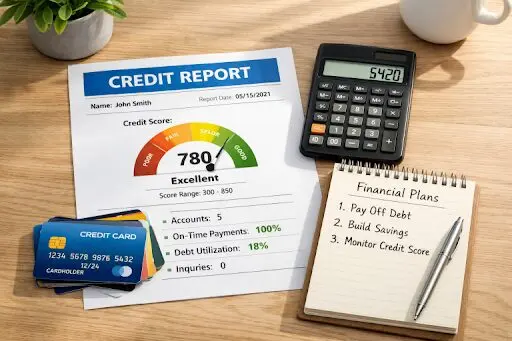
Strong financial habits can improve your overall financial flexibility and create more options when evaluating vehicle-related decisions.
Payment history is one of the most important habits to maintain. Consistently paying bills on time demonstrates reliability and helps build a positive financial record.
Managing debt responsibly also matters. Keeping balances under control can improve your overall financial standing and reduce unnecessary stress.
Savings play an important role too. Even a modest emergency fund provides protection when unexpected expenses arise. Vehicles have a habit of developing expensive problems at inconvenient times.
Think of financial health like maintaining your car. Regular attention usually prevents larger problems later. Small improvements made consistently often create significant benefits over time.
Good financial habits support better decision-making and make it easier to adapt when circumstances change.
Comparing Available Options
When evaluating any financial product, careful research is essential. Taking the first offer available may not always lead to the best outcome.
Compare interest rates, repayment terms, fees, and total costs. A lower monthly payment may seem attractive at first glance, but it is important to understand the complete financial picture.
Read agreements carefully and ask questions if something seems unclear. Financial decisions often involve long-term commitments, so understanding your obligations matters.
For example, two financing arrangements may have similar monthly payments but different total repayment costs. Looking beyond surface numbers helps you make more informed choices.
Patience is valuable during this process. Spending extra time researching today can prevent costly mistakes tomorrow.
The goal is not finding a perfect option. It is finding the option that best fits your financial circumstances and long-term objectives.
Timing Matters Too
Financial decisions are often influenced by timing. Changes in income, expenses, credit profiles, or personal circumstances may create opportunities to reassess vehicle-related costs.
Perhaps you recently received a promotion, paid down significant debt, or improved your financial situation. These changes could affect the options available to you.
Life events can also influence priorities. Growing families, relocation, career changes, or shifting financial goals may require adjustments to transportation budgets.
For example, someone who once drove long distances daily may now work remotely and have different vehicle needs. Reviewing expenses in light of changing circumstances can uncover savings opportunities.
Good timing is not about predicting the future perfectly. It is about regularly reviewing your situation and making decisions based on current realities.
Avoiding Common Mistakes
One of the biggest mistakes consumers make is focusing only on monthly payments. While affordability matters, total ownership costs deserve equal attention.
A lower payment does not automatically mean a better financial decision. Longer repayment periods can sometimes increase total costs over time.
Another common mistake is ignoring maintenance expenses when budgeting. Unexpected repairs often create stress because people forget to plan for them.
Some vehicle owners also postpone reviewing financial arrangements for years, assuming nothing can be improved. Periodic reviews can help identify opportunities for greater efficiency.
Avoid making decisions based solely on advertisements or promotional claims. Instead, evaluate the full financial impact and ensure it aligns with your goals.
A little extra research today can save a great deal of money and frustration later.
Planning For The Future
Vehicle ownership should fit comfortably within your broader financial plan. Transportation is important, but it is only one piece of your overall financial picture.
Think about future goals such as saving for a home, building retirement funds, paying for education, or creating financial security. Vehicle expenses should support these objectives rather than compete with them.
Setting aside money for future maintenance and eventual vehicle replacement can reduce financial stress down the road. Planning ahead often provides greater flexibility and fewer surprises.
Review your transportation needs periodically. What works today may not be the best choice several years from now.
Long-term planning helps ensure that vehicle decisions support both current convenience and future financial stability.
Making Smarter Choices
Reducing vehicle-related financial stress starts with understanding your expenses, reviewing your options, and making thoughtful decisions. Small adjustments can create meaningful savings over time.
Exploring reliable sources of personal finance tips can also help you stay informed about budgeting, saving, and money management strategies.
A few practical steps you can start this week include:
- Review all vehicle-related expenses.
- Update your transportation budget.
- Build a small maintenance reserve.
- Compare financial options carefully.
- Track fuel and insurance costs.
- Avoid focusing only on monthly payments.
- Align vehicle decisions with long-term goals.
Smart financial planning is rarely about dramatic changes. More often, it comes from consistent habits and informed choices. When you understand your costs and evaluate options carefully, you put yourself in a stronger position to manage vehicle ownership confidently and affordably.