How to Check Your Credit Score: A Step-by-Step Guide

Key Takeaways
- Proactively monitoring your credit score ensures greater control over your financial future.
- Multiple trusted sources are available to check and understand your credit score.
- Verifying your credit report is vital for maintaining accuracy and protecting yourself from identity theft or reporting errors.
Keeping tabs on your credit score is an essential habit for safeguarding your financial health. A solid credit score paves the way to better mortgage rates, favorable loans, and increased borrowing power, while lower scores can limit your options and increase costs. Whether you are new to credit or want to improve your standing, regularly checking your credit score should be a priority. One important resource for understanding your eligibility for credit products is getting pre-qualified for a credit card, a simple step that can help you learn where you stand before applying.
Accessing your credit score is quick and easy. With federal regulations mandating access to annual credit reports and several financial institutions offering monthly free score checks, there is no reason to remain in the dark about your financial standing. Staying informed will enable you to take timely action should you notice any unexpected changes.
It is important to remember that your credit score is more than just a number. It reflects your borrowing and payment history. Lenders, landlords, and some employers may reference it when making decisions concerning your applications. Proactively monitoring your score keeps you empowered and prepared for big financial steps. Various online resources, including national credit bureaus and nonprofit organizations, can help you maintain an accurate credit history.
1. Utilize Free Annual Credit Reports
Each of the three major credit bureaus, Equifax, Experian, and TransUnion, offers one free credit report per year as required by federal law. The best way to access these official reports is through AnnualCreditReport.com, the government-mandated portal. These reports offer a comprehensive snapshot of your accounts, balances, and payment histories. Checking all three bureaus helps you spot errors or inconsistencies that could harm your score.
2. Check with Your Financial Institutions
Many banks and credit card issuers provide free access to your credit score as a benefit for their account holders. Some financial institutions update your score monthly and display it on their online or mobile platforms. Frequently, the reported score is based on FICO or VantageScore models. Contact your bank or credit provider to confirm if these features are available to you.
3. Use Credit Monitoring Services
Credit monitoring services can provide your credit score and ongoing alerts about changes to your credit file, such as new inquiries or accounts. There are both free and fee-based options, with many reputable companies providing useful tools for early detection of fraud or identity theft. When using these services, always confirm the provider’s reputation and scrutinize what information they require from you.
4. Consult Non-Profit Credit Counselors
Non-profit credit counseling agencies, such as those listed by the National Foundation for Credit Counseling, can review your financial situation and provide both a free copy of your credit report and your score. These organizations also offer in-depth advice on how to strengthen your financial habits and resolve issues you may spot on your report.
5. Understand the Impact of Checking Your Score
When you check your credit score, it is considered a “soft inquiry.” This type of review has no impact on your credit score, regardless of how often you decide to check it. By contrast, a “hard inquiry,” such as when a lender reviews your credit as part of a loan or credit card application, can lower your score slightly, usually just for a short period.
6. Review Your Credit Reports for Accuracy
Carefully reviewing your credit reports is just as important as knowing your score. Mistakes or fraudulent activity on your credit history can drag your score down. If you notice errors such as incorrect personal details, unfamiliar accounts, or payments recorded as late, you have the right to dispute these with the bureau in question. The process is generally straightforward, with guidance provided by official organizations such as the Consumer Financial Protection Bureau.
7. Stay Informed About Credit Score Ranges
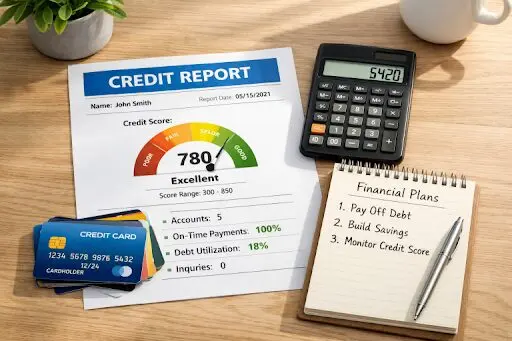
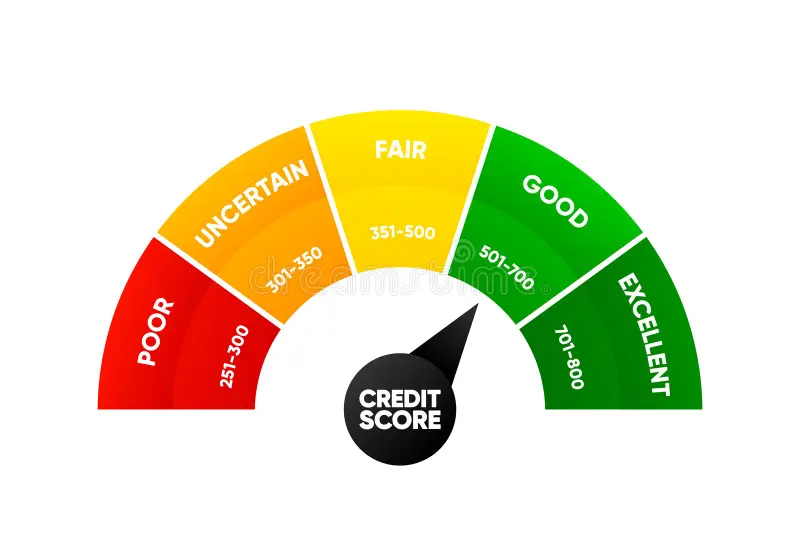
Credit scores, based on models like FICO or VantageScore, usually range from 300 to 850. A higher number indicates lower risk to lenders. Generally, scores over 700 are considered good, while scores above 750 are excellent. If your score falls below 600, work to improve it by paying bills on time, reducing debt, and addressing any inaccuracies on your report. Lenders have different thresholds for what they consider acceptable, so it is helpful to understand where you fit within these ranges.
8. Regular Monitoring for Financial Health
Setting a habit of regularly reviewing your credit score and credit reports is one of the best things you can do for your long-term financial well-being. This vigilance lets you catch suspicious account activity early, make informed borrowing decisions, and avoid missing reporting mistakes that could cost you valuable points.
By following these steps, you can more easily observe your credit position and proactively manage your financial reputation. Consistently monitoring your credit will help you seize the best financial opportunities and provide peace of mind as you plan for the future.