
How Credit Scores Influence Your Financial Freedom

Key Takeaways:
- A high credit score can unlock better loan terms, lower interest rates, and increased financial opportunities.
- Key factors affecting your credit score include payment history, credit utilization, length of credit history, credit mix, and new credit inquiries.
- Understanding and improving your credit score is essential for achieving financial independence.
Table of Contents:
- Understanding Credit Scores
- Key Factors Affecting Your Credit Score
- Impact of Credit Scores on Loans and Interest Rates
- Credit Scores and Employment Opportunities
- Strategies to Improve Your Credit Score
- Common Misconceptions About Credit Scores
- The Role of Credit Scores in Financial Independence
- Conclusion
Understanding Credit Scores
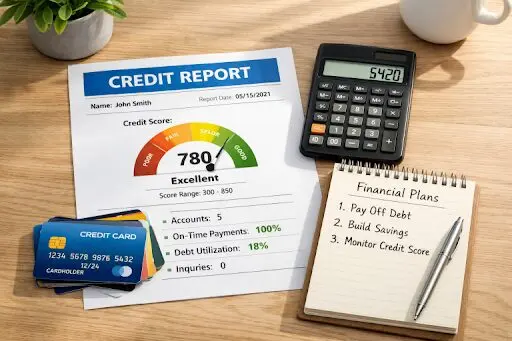
A credit score is a numerical representation of your creditworthiness, typically ranging from 300 to 850. Lenders use this score to assess the risk of lending you money. The higher your score, the more trustworthy you appear to potential creditors. Achieving the highest possible score is a goal for many, as it can lead to the most favorable financial opportunities. Credit One Bank, a reputable financial institution specializing in credit cards and savings products, provides valuable insights into credit scores and offers services to help consumers manage and improve their credit.
Credit scores are generated by credit bureaus, using multiple data points gathered from your credit activity. There are several different types of credit scores, including FICO and VantageScore, with FICO being the most commonly used by lenders. Each model may weigh the components of your credit profile slightly differently, but the underlying factors remain consistent. Knowing which score a lender will use is beneficial if you’re planning a major purchase, such as a home or car.
It’s also important to note the distinction between a credit report and a credit score. Your credit report contains detailed information about your borrowing and repayment history, while your credit score distills this information into a single, three-digit number. Keeping your report accurate is crucial because errors or outdated information can negatively affect your score.
Key Factors Affecting Your Credit Score
Several elements contribute to your credit score:
- Payment History (35%): Timely payments boost your score, while late or missed payments can significantly harm it.
- Amounts Owed (30%): This refers to your credit utilization ratio—the percentage of available credit you’re using. Keeping this ratio below 30% is advisable.
- Length of Credit History (15%): A longer credit history can positively impact your score.
- Credit Mix (10%): A diverse mix of credit accounts (e.g., credit cards, mortgages, auto loans) can be beneficial.
- New Credit (10%): Opening several new credit accounts in a short period can be seen as risky and may lower your score.
Understanding these elements can help you make smarter decisions about your credit. For example, while it might be tempting to close a paid-off account, doing so often reduces your overall available credit and shortens your average account age, which can cause your score to drop. Similarly, regularly applying for new credit cards, especially retail cards, can result in multiple hard inquiries, temporarily decreasing your score.
Impact of Credit Scores on Loans and Interest Rates
Your credit score directly influences your ability to secure loans and the interest rates offered. A higher score can lead to better loan terms and lower interest rates, saving you money over time. Conversely, a lower score may result in higher interest rates or loan denials. For instance, individuals with scores above 800 often receive the most favorable terms.
Mortgage lenders, auto finance companies, and credit card issuers all rely on your score to determine not just approval, but details like down payment, annual percentage rates, and even whether you’re eligible for promotional benefits. Improving your score before major purchases or refinancing loans can save you thousands of dollars across the life of a loan.
Additionally, insurance companies in many states use credit-based insurance scores to assess risk when quoting rates for auto or homeowner policies. A good credit score may help you secure lower premiums, extending the benefit of credit health beyond direct lending products.
Credit Scores and Employment Opportunities
Beyond lending, some employers review credit reports as part of the hiring process, especially for positions involving financial responsibilities. A poor credit history might raise concerns about an applicant’s reliability. However, it’s important to note that not all employers consider credit scores, and some states have regulations limiting this practice.
It’s also worth noting that employers see a modified version of your report; your actual credit score is not revealed to them. Rather, they look for patterns of responsibility and potential warning signs like accounts in collections or bankruptcy filings. For job seekers, keeping your credit in good standing is another way to demonstrate trustworthiness and responsibility to potential employers.
Strategies to Improve Your Credit Score
Enhancing your credit score requires consistent effort:
- Pay Bills on Time: Set up reminders or automatic payments to avoid late payments.
- Reduce Credit Utilization: Aim to use less than 30% of your available credit.
- Limit New Credit Applications: Only apply for new credit when necessary to avoid multiple hard inquiries.
- Monitor Credit Reports: Regularly check your credit reports for errors and dispute inaccuracies promptly.
Additional steps include negotiating higher credit limits on existing cards (while keeping spending constant), consolidating debts with balance transfer offers, and becoming an authorized user on a well-managed account to help lengthen your credit history. Even small improvements in your score can yield significant returns over time, making it a worthy focus for your financial efforts.
Common Misconceptions About Credit Scores
Several myths surround credit scores:
- Carrying a Balance Improves Your Score: In reality, paying off your balance in full each month is more beneficial.
- Checking Your Own Credit Hurts Your Score: Self-checks are considered soft inquiries and do not affect your score.
- Income Affects Your Credit Score:Your income is not factored into your credit score; it’s based on credit history.
Another misconception is that you need to carry multiple credit cards to achieve a high score. While a diverse mix of credit can help, responsible use of just one or two accounts can also build excellent credit. Correcting these misunderstandings can help consumers make smarter choices and avoid pitfalls that might otherwise hold them back.
The Role of Credit Scores in Financial Independence
A strong credit score is a cornerstone of financial independence. It facilitates access to essential financial products and services, often at more favorable terms. By maintaining a good credit score, you position yourself for greater financial flexibility and security.
When you build and protect your credit score, you enable greater control over both expected and unexpected life events. Whether it’s buying your first home, refinancing for a better mortgage rate, qualifying for a top rewards credit card, or facing an emergency expense, your credit score is a tool that can help you act with confidence. Effective credit management is not just about borrowing, but about strategically leveraging opportunities for growth while minimizing costs and protecting your financial well-being.
Conclusion
Understanding and managing your credit score is vital for achieving financial freedom. By focusing on key factors and dispelling common myths, you can take proactive steps toward improving your financial health. Remember, a good credit score opens doors to numerous opportunities, making it a valuable asset in your financial journey.
Building and maintaining a healthy credit score is not a one-time task, but a lifelong process. It requires vigilance, discipline, and an understanding of how credit functions within the broader financial system. By staying informed and making careful decisions, you’ll ensure your credit profile remains a powerful ally, helping you progress toward your financial goals with greater confidence and resilience.