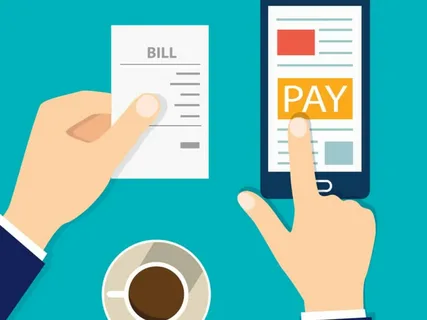

Card Payments, Charges and Car Finance: What Drivers Should Know About Fees and Hidden Costs

Car finance often feels simple at the start. You choose a car you like, agree a monthly payment, and set up a direct debit. It can feel neat and predictable, especially compared to the idea of paying upfront.
But then real life happens. A payment date lands at an awkward time. You need to change a detail on the agreement. You spot a charge you do not recognise. Or you realise you have been paying for something extra each month without fully understanding what it was.
This is where fees and hidden costs can catch drivers out. Not because people are careless, but because these details are easy to miss when you are focused on the bigger decision.
This guide breaks down the common charges linked to car finance, what they usually relate to, and how to protect yourself before you commit.
Why “hidden costs” are not always truly hidden
When people say “hidden costs,” they often mean one of two things.
Either the cost was buried in the paperwork and not explained clearly, or the driver did not realise it would apply to them until later.
Most fees are not secret. They are usually written down somewhere. The problem is that they can be easy to skim past, especially when you are signing quickly or reading finance language that feels unfamiliar.
A fair agreement should not rely on you spotting a charge in the middle of a long document. It should feel clear and transparent from the start.
Card payments and car finance. What to expect
Many drivers pay their monthly finance payment by direct debit, but card payments can still come into the process in a few ways. You might use a card for a deposit, a first payment, or a one-off charge.
It is worth knowing that card payments can sometimes come with their own rules, depending on what is being paid and how the payment is processed.
Before paying anything by card, it is sensible to check:
- What the payment is for, and whether it is refundable
- Whether the payment is part of the agreement or separate
- Whether any card processing charges apply
- Whether the payment changes your monthly cost
Even small payments can affect the overall agreement if they are not clearly explained.
The most common car finance fees drivers should look for
Fees can show up at different stages of the agreement. Some are linked to the start. Others appear during the term. Some appear at the end.
Here are the ones worth watching for.
Setup or admin charges
Some agreements include an admin fee for setting things up. It might be added upfront or built into the overall agreement.
If you see an admin fee, make sure you understand:
- When it is charged
- Whether it is added to your finance amount
- Whether it affects the total cost
Late payment fees
Late payment fees can apply if a payment is missed or delayed. Even one missed payment can trigger extra costs and stress.
If your budget is tight, check what the agreement says about:
- Grace periods
- Late fees
- What happens if a payment fails
- Whether missed payments affect your agreement status
Charges for changing details
Sometimes drivers need to change personal details, payment dates, or other agreement information. Depending on the contract, changes can trigger admin fees.
It is worth checking whether fees apply for:
- Changing your payment date
- Updating your address
- Adjusting payment methods
- Requesting duplicate paperwork
Early settlement or early exit costs
Even if you plan to keep the agreement, life can change. Early settlement means paying off the agreement sooner than planned. Early exit means ending it early.
Some agreements make this straightforward. Others include extra charges or conditions.
Before signing, check:
- Whether early settlement is allowed
- Whether fees apply
- What you would still owe if you ended early
End-of-agreement charges
If your agreement includes returning the vehicle, the end stage can include charges linked to mileage or vehicle condition.
This is where drivers often feel surprised, especially if they assumed returning the car would be simple.
Add-ons that quietly increase monthly costs
Some “hidden costs” are not fees at all. They are add-ons. Extras that were included in the agreement, sometimes without the driver fully realising what they were.
Extras can be useful, but only if you understand them and actually want them.
Before signing, check for anything that looks like an add-on and ask:
- Is it optional or required?
- What does it cover in real life?
- What does it not cover?
- Can it be removed if I do not want it?
- Is it included in the monthly payment or billed separately?
This is one of the easiest ways to keep your costs under control.
How to protect yourself from surprise charges
You do not need to become an expert. You just need a calm process.
Here are a few simple habits that help:
- Ask for the agreement to read before signing
- Search the document for the words “fee”, “charge”, and “admin”
- Make sure you understand what happens if you miss a payment
- Confirm what is optional and what is included automatically
- Keep copies of everything, including any summaries
One question is especially useful. “Can you show me where that is written?” It keeps everything grounded in the paperwork.
When drivers start looking into claims later
Sometimes drivers only realise the full cost of an agreement after the fact. That might happen when charges appear, or when they review the paperwork and feel something was not properly explained.
This is often when people start researching a PCP claim or car finance claims. They are trying to understand whether the agreement was fair, and whether the information was presented clearly at the time.
For context, PCP claims are valid for agreements signed between 2007 and 2024. It is also worth remembering that car finance claims are generally linked to vehicles taken out for personal use, not business use.
Final thoughts
Car finance should feel predictable. That is the whole point of spreading the cost. But fees and hidden costs can make an agreement feel stressful if they are not properly understood.
The best way to avoid surprises is simple. Slow down before you sign. Read the parts about fees, add-ons, and end-of-agreement costs. Ask questions until it makes sense.
Because when you understand the charges upfront, you stay in control of your budget later.