
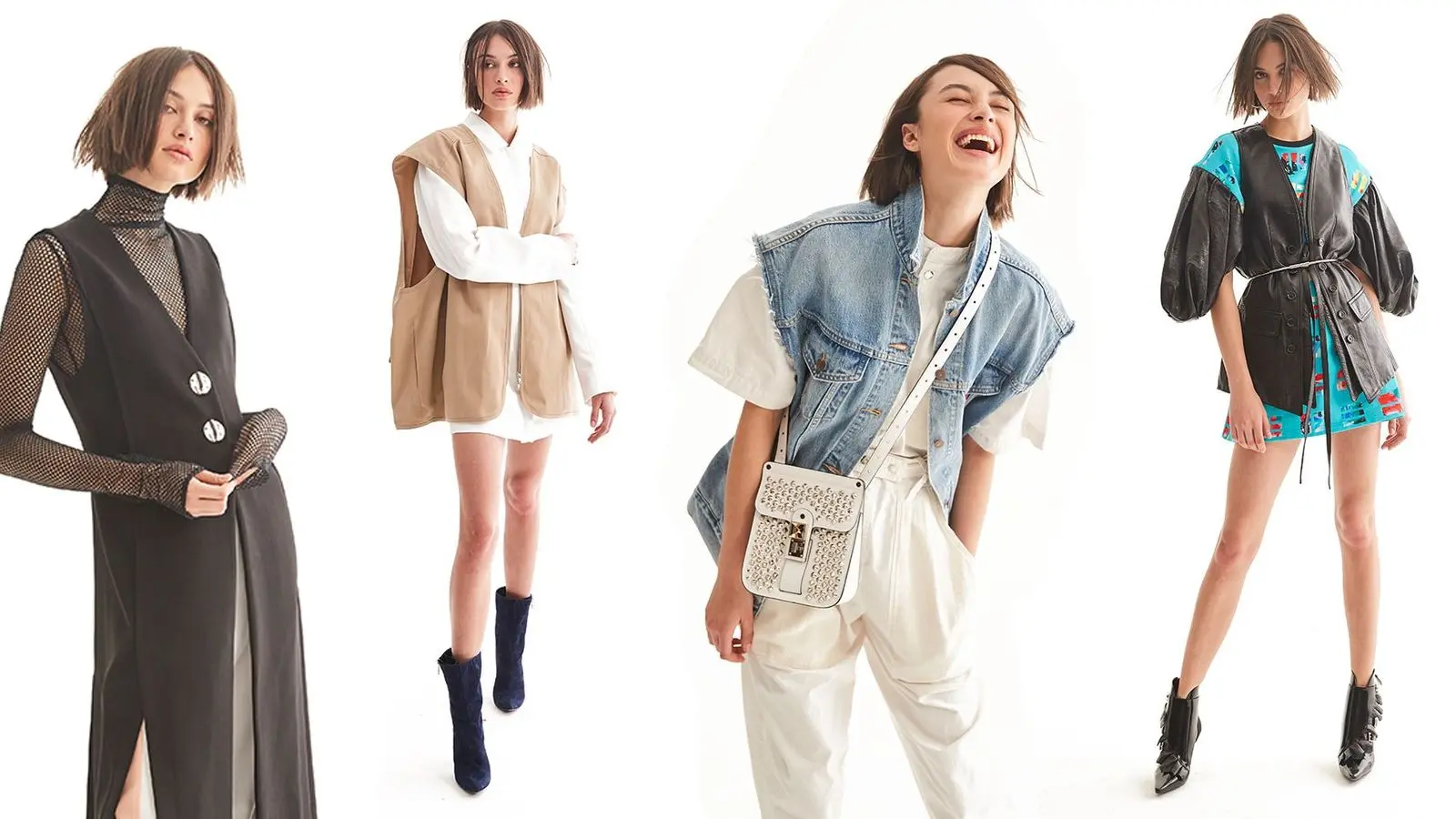
Fashion Made with Care – A Return to Purpose

Fashion is no longer judged by aesthetics alone. In an era shaped by climate awareness, cultural revival, and conscious consumption, clothing has become a reflection of values as much as taste. Consumers today are asking deeper questions about what they wear, where it comes from, how it is made, and who it impacts. This shift has brought eco artisanal fashion into sharper focus, positioning it not as a niche movement but as a defining direction for the future of design.
Rather than relying on speed or excess, labels such as Agaati are part of a growing ecosystem that values slow processes, natural materials, and human skill. Their approach reflects a broader rethinking of fashion as something meant to be experienced, preserved, and respected rather than rapidly produced and discarded.
Understanding Eco-Conscious Fashion Beyond Trends
Eco-conscious fashion is often misunderstood as a trend defined by earthy colours or minimal silhouettes. In reality, it is a philosophy that influences every stage of the design process, from sourcing raw materials to the final stitch. At its core, it prioritises responsibility, toward the environment, artisans, and the wearer.
This form of fashion rejects the idea of disposability. Instead, it focuses on creating garments that last both physically and emotionally. When it comes to truly sustainable dresses, quality replaces quantity, and intention replaces impulse. The result is clothing that feels grounded, purposeful, and deeply personal.
What makes eco-conscious fashion particularly relevant today is its ability to bridge heritage and modernity. It draws from traditional techniques while adapting them for contemporary lifestyles, ensuring that craft remains relevant rather than ornamental.
The Role of Artisanship in Sustainable Design
Artisanship is the backbone of eco-conscious fashion. Handloom weaving, hand embroidery, natural dyeing, and traditional finishing techniques not only reduce environmental impact but also preserve cultural knowledge passed down through generations.
Unlike mechanised production, artisanal processes are inherently slower and more mindful. They allow for precision, variation, and a human touch that cannot be replicated by machines. Each garment carries subtle differences, making it unique rather than uniform.
Supporting artisans also creates a more equitable fashion ecosystem. When designers collaborate directly with craftspeople, it ensures fair wages, ethical working conditions, and the continuation of endangered skills. This relationship transforms fashion into a shared practice rather than a one-sided industry.
Natural Fabrics and Their Importance
Fabric choice plays a crucial role in eco-conscious fashion. Natural fibres such as cotton, silk, linen, wool, and plant-based blends are preferred for their biodegradability, breathability, and longevity.
These materials age gracefully, developing character over time rather than deteriorating. They are gentler on the skin and more adaptable to different climates, making them ideal for long-term wear. When sourced responsibly, natural fabrics significantly reduce the environmental footprint of a garment.
There is also growing interest in handwoven textiles, which require less energy than industrial fabric production. These fabrics often retain the texture and irregularity of the weaving process, adding depth and authenticity to the final design.
Natural Dyes and Conscious Colour Palettes
Colour in eco-conscious fashion is approached with restraint and respect. Instead of synthetic dyes that pollute water systems, many designers are turning to natural dyeing methods derived from plants, minerals, and organic matter.
These dyes produce softer, more nuanced tones that feel organic rather than artificial. Earthy neutrals, muted pastels, and deep botanical shades dominate eco-conscious collections, creating palettes that are calming and timeless.
Natural dyes also encourage seasonal sensitivity. Colours shift subtly based on climate, water, and raw materials, reinforcing the idea that fashion should work in harmony with nature rather than against it.
Slow Fashion as a Design Philosophy
Slow fashion is not simply about producing fewer garments; it is about designing with intention. Eco-conscious designers invest time in understanding how a garment will be worn, stored, and cared for over years rather than seasons.
This philosophy influences silhouette, construction, and finishing. Seams are reinforced, patterns are refined, and proportions are carefully considered to ensure longevity. The goal is to create pieces that remain relevant regardless of shifting trends.
Slow fashion also encourages emotional durability. When wearers understand the story behind a garment, who made it, how it was crafted, and why—it fosters a deeper connection, reducing the likelihood of disposal.
Versatility and Longevity in Conscious Wardrobes
Eco-conscious fashion values adaptability. Garments are designed to transition across occasions, settings, and years. A thoughtfully crafted dress or kurta might be styled differently for formal events, casual gatherings, or cultural celebrations.
This versatility reduces the need for excessive consumption. Instead of purchasing multiple outfits for different purposes, consumers build wardrobes centred around fewer, more meaningful pieces.
Longevity is further supported by timeless design. Rather than chasing trends, eco-conscious fashion focuses on proportion, texture, and craftsmanship, elements that do not age quickly.
Rethinking Luxury Through Sustainability
Luxury in eco-conscious fashion is defined not by excess but by care. It is found in the fineness of a handwoven fabric, the precision of embroidery, and the patience behind the process.
This redefinition challenges the fast-fashion model that equates novelty with value. Instead, true luxury lies in knowing that a garment was created without exploitation, waste, or harm.
As consumers become more informed, this perspective is gaining traction. Sustainability is no longer viewed as a compromise but as an enhancement to design integrity and authenticity.
The Consumer’s Role in Eco-Conscious Fashion
Eco-conscious fashion is a shared responsibility. While designers and artisans play a critical role, consumers influence the system through their choices. Investing in well-made garments, caring for them properly, and resisting impulse buying all contribute to a healthier fashion cycle.
Understanding garment care is particularly important. Natural fabrics benefit from gentle washing, proper storage, and mindful handling. These practices extend the life of clothing and honour the effort behind its creation.
By choosing fewer but better pieces, consumers become active participants in reshaping the fashion industry.
The Art of Slow, Sustainable Dressing
The future of fashion lies in balance, between innovation and tradition, aesthetics and ethics, creativity and responsibility. Eco-artisanal fashion offers a blueprint for this balance, proving that sustainability and beauty can coexist.
As awareness grows, eco-conscious fashion will continue to move from the margins to the mainstream. Designers who prioritise craft, materials, and mindful production are setting new standards for what fashion can and should be.
In embracing eco-conscious design, the industry is not just responding to environmental concerns; it is rediscovering the soul of fashion itself.